Moving to UB8 Uxbridge? Van tips for narrow streets
If you are moving to UB8 Uxbridge, narrow streets can turn a straightforward move into a bit of a puzzle. One minute you are planning boxes and labels, the next you are wondering whether the van can actually fit past parked cars, low branches, tight corners, and the sort of one-way layout that makes a driver slow right down. That is exactly why Moving to UB8 Uxbridge? Van tips for narrow streets matters: it helps you avoid delays, protect your furniture, and keep moving day calmer than it first looks.
The good news? With the right van choice, sensible timing, and a few local-minded tricks, you can make a tight street move feel surprisingly manageable. In this guide, we will cover how narrow-road moves work, what to plan before the van arrives, where people usually go wrong, and how to keep the whole process efficient without adding stress. A bit of preparation goes a long way. Truth be told, that is half the battle.
Table of Contents
- Why narrow-street moving in UB8 matters
- How the move works in practice
- Key benefits and practical advantages
- Who this advice is for
- Step-by-step guidance
- Expert tips for better results
- Common mistakes to avoid
- Tools, resources and recommendations
- Law, compliance, standards and best practice
- Options, methods, and comparison table
- Case study or real-world example
- Practical checklist
- Conclusion
- Frequently asked questions
Why Moving to UB8 Uxbridge? Van tips for narrow streets Matters
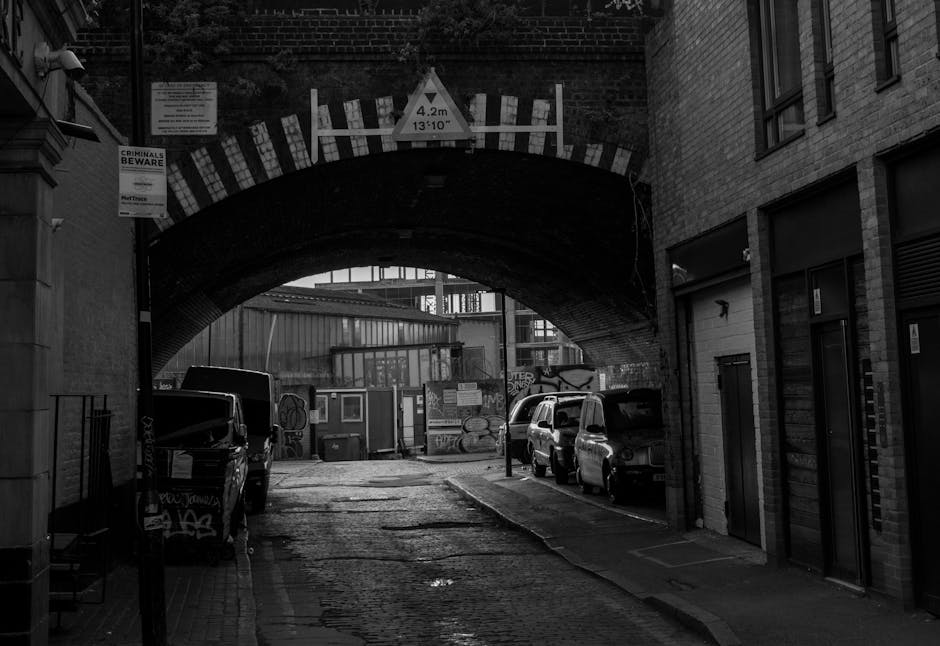
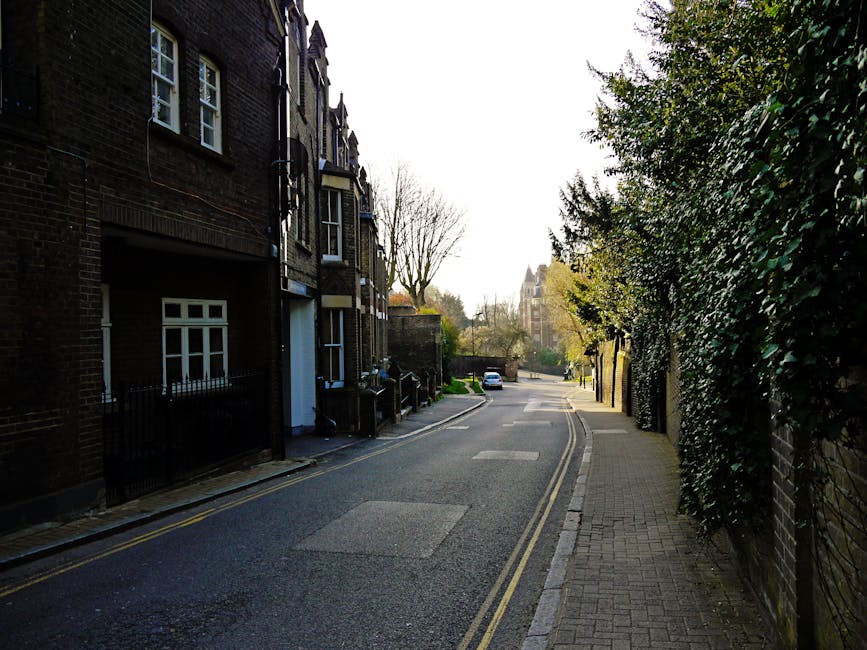
UB8 has plenty going for it, but like many West London postcodes, it can include residential roads that are tight, busy, and not always designed for large vehicles. Narrow streets can affect everything from where the van stops to how long the loading takes. If the driver has to park further away than expected, every extra metre matters. And if the street is already crowded with residents' cars, delivery vans, or school-time traffic, the job can become awkward very quickly.
Why does that matter so much? Because moving is not just about transporting items from A to B. It is about doing it safely, efficiently, and without turning a simple sofa move into a full-blown street negotiation. A poorly planned arrival can lead to blocked access, extra carrying distance, accidental scrapes, or a rushed job that leaves someone frazzled by lunchtime.
There is also the human side of it. Neighbours still need access. Other road users need space. And in narrow streets, one poor parking decision can ripple outward. If you have ever watched a driver try to reverse a long vehicle around a bend while someone's recycling bin is sitting dead centre in the path, you will know the feeling. It is a small bit of drama nobody asked for.
Key takeaway: moving in UB8 is very doable, but the street layout should shape your plan from the start, not be treated as an afterthought.
How Moving to UB8 Uxbridge? Van tips for narrow streets Works
The basic logic is simple: match the vehicle, timing, and loading plan to the street conditions. In narrow roads, the best move is often the one that reduces the amount of manoeuvring needed. That may mean using a smaller van, splitting the load, or arranging a meet point a short walk away if access is extremely tight. Sometimes that is the sensible call, even if it feels less glamorous than a single big van appearing at the door.
In practice, a tight-street move usually works like this:
- Someone checks the access in advance, ideally at the same time of day the move will happen.
- The van size is chosen based on the street width, parking options, and the amount of furniture involved.
- Loading is planned so the heaviest and most awkward items are ready first.
- The driver positions the van as close as safely possible without blocking access or creating risk.
- Items are carried in a sensible order to avoid constant back-and-forth.
That may sound obvious, but the difference between "we'll just wing it" and a proper plan is enormous. On a narrow road, a ten-minute delay can become half an hour of repositioning and re-parking. A small van may sometimes outperform a larger one simply because it can get closer to the property. Less carrying distance, less hassle, fewer chances to bump a wall or hedge. Simple, really.
If you are comparing service styles, it can help to look at broader moving support such as man with van options or more full-service removal services depending on how much help you need. The right fit is not always the biggest vehicle; it is the one that suits the street and the job.
Key Benefits and Practical Advantages
The obvious benefit is access. A more suitable van and a better arrival plan can mean you spend less time fighting the street and more time actually moving. But there are a few other advantages worth spelling out.
- Less risk of damage: Tight corners, parked cars, and garden walls are not friends of rushed reversing.
- Faster loading and unloading: Parking closer means fewer steps and less lifting fatigue.
- Lower stress: Moving day already has enough moving parts. Narrow streets do not need to add another layer.
- Better neighbour relations: A tidy, considerate approach makes the whole street experience smoother.
- More predictable timing: When access is planned well, the job is far easier to schedule accurately.
There is also a practical money angle, even if people do not always say it out loud. When the van is the right size, and the route is chosen carefully, there is less wasted time. That can matter if you are booking by the hour or trying to fit a move around work, childcare, or handover times. Nobody wants to be watching the clock while carrying a bookshelf down a cramped pavement.
If you are still pricing things up, it is sensible to review pricing and quotes early so you know whether you are comparing a smaller access-friendly vehicle with a larger removal option. That sort of early clarity can save a lot of last-minute second guessing.
Who This Is For and When It Makes Sense
This advice is for anyone moving into or out of UB8 where road space is limited, parking is awkward, or the property sits on a tighter residential street. That includes flat moves, house moves, student moves, and the kind of "we only have a few big pieces" jobs that somehow still turn into a van-full by the time you pack them.
It makes particular sense if:
- your road has parked cars on both sides;
- there is limited turning space near the property;
- the entrance is on a busier route where stopping is tricky;
- you live in a terrace, maisonette, or older residential street;
- you have large furniture that cannot easily be carried long distances;
- you are moving during a busy time of day.
Families often benefit from a more organised approach, simply because there is less room for chaos. Older properties can also be a bit awkward: steep steps, narrow hallways, low thresholds, and a front garden that looked charming on the viewing but is now apparently an obstacle course. It happens.
If you are using a broader moving team, options like home moves or house removals may suit you better than a minimal-load approach. The main thing is choosing a service that understands access, not just volume.
Step-by-Step Guidance
Here is the practical version, stripped back and useful. If you follow these steps, you will usually avoid the biggest headaches.
1. Measure the awkward bits first
Do not just measure the sofa. Measure doorways, stair turns, hallway pinch points, and the front access space. If the van cannot stop close enough, the indoor measurements matter less than you think. Narrow streets often fail people at the outside edge before the furniture even gets inside.
2. Check the road at the right time of day
A street that looks fine at 10 a.m. might feel very different at school run time or after work. Cars appear, bins appear, delivery drivers appear. The road gets alive. If possible, do a quick recce at a similar time to your planned move so you are not making assumptions.
3. Match the van to the access, not just the load
This is a big one. People often think more van space is always better. Not always. In a narrow road, a slightly smaller van that can get closer may be the smarter option. It can reduce carrying distance and save time, even if it requires more careful loading.
4. Pack the van in the right order
Heavier items usually go in first, secured properly, with fragile items protected and easily stacked pieces placed where they will not shift. If a big wardrobe is loaded in the wrong place, it can block access to everything else. That is the sort of mistake that makes experienced movers sigh quietly. Just a little.
5. Keep the entrance clear
On narrow streets, clutter outside the property slows everything down. Try not to leave bags, boxes, or dismantled furniture scattered where they could block the path. A clean handover space helps everyone work faster and safer.
6. Have a backup plan for parking
Sometimes the first spot is gone. Sometimes a resident returns unexpectedly. Sometimes there is simply not enough room. Think about where the van can legally wait if it cannot stop immediately outside. This is especially useful when you are moving in the morning and traffic is already building.
7. Keep essentials separate
In a tight move, the last thing you want is to hunt for your kettle or charger in a mountain of boxes. Make a first-night bag and keep it with you. It sounds basic, but on move day basic is beautiful.
Expert Tips for Better Results
Let's get a bit more practical. These are the small adjustments that often make the biggest difference.
- Use a spotter when reversing: If someone is guiding the driver, they should be calm, visible, and consistent with signals.
- Protect corners and edges: Blankets, corner protectors, and proper wrapping are worth it when walls and banisters are close.
- Disassemble bulky furniture early: Beds, tables, and shelving units are easier to move if broken down in advance.
- Load for access, not just weight: Place items you will need first near the door of the van, not buried at the back.
- Use the pavement carefully: Do not create trip hazards for neighbours or passers-by.
- Keep communication short and clear: On a narrow street, people do better with simple instructions than long explanations.
One small but useful habit: photograph the street before the move, especially if the parking is tight or there are awkward access points. It is not about being dramatic. It simply helps if you need to compare conditions later or explain why a certain van size made more sense. A quick phone picture can save a lot of vague memory later on.
If you need help with difficult items or occasional collection tasks, a service like furniture pick up can also be useful for reducing clutter before the main move. Less clutter usually means less pressure on a narrow road job. And yes, less pressure is always welcome.
Common Mistakes to Avoid
Most narrow-street problems are avoidable. The mistakes are usually ordinary ones, which is why they catch people out.
- Choosing a van that is too large: Bigger is not always better when access is tight.
- Assuming parking will sort itself out: It rarely does.
- Leaving packing until the morning of the move: That is a fast route to chaos.
- Ignoring height and turning restrictions: Low branches, arches, and sharp bends can change the whole plan.
- Forgetting neighbour access: If you block driveways or walkways, the move gets harder for everyone.
- Not protecting fragile items properly: A short carry over a bad surface can still be enough to cause damage.
A lot of people also underestimate how tiring it is to carry heavy boxes farther than expected. Ten extra metres may not sound like much on paper, but after ten or fifteen trips it adds up. You notice it in your shoulders, your grip, and your mood. By the late afternoon, everyone is a bit less cheerful than they were at eight o'clock.
Tools, Resources and Recommendations
You do not need a van full of gadgets, but a few simple tools make life easier on narrow streets.
| Tool or item | Why it helps | Best use |
|---|---|---|
| Furniture blankets | Reduce scrapes and impact | Wrap items before carrying them through tight entrances |
| Ratchet straps | Keep items stable in transit | Secure heavy loads inside the van |
| Moving dolly or sack truck | Cut down on carrying strain | Useful when the van must park a little further away |
| Corner protectors | Protect walls and furniture edges | Ideal for stairwells and narrow hallways |
| Labels and coloured tape | Speed up unloading | Helps sort boxes by room or priority |
As for service options, it is worth comparing a few related choices. A removal van may be the right fit if you need vehicle space and practical support, while a broader removals service may be better if you want a more complete handover. For heavier or business-related moves, you might also look at commercial moves or office removals if the access challenge is tied to a workplace setting.
When people ask what is most important, the honest answer is usually not one single tool. It is the combination: planning, vehicle choice, and sensible handling. The tools just make the whole thing less painful.
Law, Compliance, Standards and Best Practice
For a move in a narrow street, it is wise to keep road safety and local access rules in mind. You should only stop or park where it is lawful and safe to do so, and you should avoid blocking driveways, junctions, crossings, or emergency access. If loading requires time on a public road, it needs to be handled carefully and in line with normal road-use expectations. That may sound obvious, but on a busy moving day common sense can get pushed to the side.
Professional movers should also work with reasonable standards around manual handling, secure loading, and vehicle safety. In plain English, that means lifting properly, not overloading the van, and making sure boxes and furniture are not going to shift around while the vehicle is moving. Good movers care about this because it protects both the items and the people handling them.
If a move involves stairs, awkward lifting, or heavier objects, a careful approach matters even more. The safest route is usually the slow, organised one. Not glamorous, perhaps. But safer. If you are comparing providers, it is sensible to check their insurance and safety details, along with their overall health and safety policy. That is not overthinking it; that is just being sensible.
Expert summary: In narrow UB8 streets, the legal and practical best practice is straightforward: park lawfully, protect access, load securely, and choose a vehicle that fits the street as well as the furniture.
Options, Methods, or Comparison Table
There is no single right answer for every move, but comparing the main approaches helps you choose without guessing.
| Approach | Best for | Pros | Watch out for |
|---|---|---|---|
| Small van | Very tight streets, smaller loads | Easier access, closer parking, less manoeuvring | May need more trips if the load is bigger than expected |
| Medium van | Typical flat or house moves with moderate access | Balanced space and flexibility | Can still be awkward on very narrow roads |
| Larger removal vehicle | Heavier or fuller household moves | More capacity, fewer journeys | Harder to position on narrow streets |
| Two-trip approach | Access is limited but load is manageable | Can avoid forcing a large vehicle into a poor space | Takes more time and planning |
For many UB8 moves, the best answer is a mix of capacity and access. If the street is tight but the load is modest, a smaller vehicle can be the smartest choice. If you have a larger household, you may need a stronger removals plan and a bit more patience. Not every move is tidy on paper. That is fine.
Case Study or Real-World Example
Imagine a typical Saturday move in UB8: a two-bedroom flat, a narrow residential road, cars parked along one side, and a front entrance just off a short walkway. The first instinct might be to book a larger van and get everything done in one sweep. On paper, that sounds efficient. In reality, the van may struggle to turn into position without blocking the road.
In a case like that, the smarter choice is often a slightly smaller van that can stop closer to the property, even if the total load needs careful planning. The movers arrive early, check the access, and park where they can legally and safely work. The bulky items are loaded first, the fragile boxes are stacked higher, and the essentials bag is kept separate. The carry distance is short enough to keep everyone moving without wiping out the morning.
The result is usually less friction. The street stays passable, the residents are less annoyed, and the property owners are not left apologising every five minutes. That last bit matters more than people admit. A calm move is often just a well-judged move.
If that sounds like the kind of support you need, broader help from house movers or man and van removals can be worth considering depending on how much lifting and handling you want to offload.
Practical Checklist
Use this before moving day, and you will thank yourself later.
- Measure doorways, hallways, stairs, and the front access area.
- Check the street at the time of day you plan to move.
- Confirm the van size suits the road as well as the load.
- Book parking or stopping arrangements where relevant and lawful.
- Pack and label boxes by room and priority.
- Disassemble large furniture in advance if needed.
- Keep blankets, straps, and basic tools close at hand.
- Set aside an essentials bag for the first night.
- Protect floors, walls, and corners where the path is tight.
- Make sure someone is available to guide the driver if reversing is needed.
- Keep neighbours' access clear wherever possible.
- Re-check timing so you are not arriving at the worst traffic window.
One small note: if the street looks manageable, still keep a backup plan. Narrow roads have a funny way of changing their mind halfway through the day.
Conclusion
Moving to UB8 Uxbridge does not have to be stressful just because the streets are narrow. If anything, tight access simply rewards careful planning. Choose the right-sized van, time the move intelligently, protect the property, and keep the load organised. That alone can save time, reduce risk, and make the day feel much more under control.
The main thing is to treat access as part of the move, not a detail to sort out later. Once you do that, the whole process becomes easier to manage, whether you are moving a single room or a full household. And honestly, when the boxes are finally inside and the kettle is on, you will barely care that the street was a bit of a squeeze. Almost.
Get a free quote today and see how much you can save.
If you are comparing providers, looking at a removals near me option can be a practical starting point, especially when you want local knowledge and a service that understands the day-to-day realities of moving in tighter parts of Uxbridge.
Frequently Asked Questions
What is the best van size for narrow streets in UB8?
The best van size depends on both your load and the road width. In many cases, a slightly smaller van that can park closer is better than a bigger van that struggles to manoeuvre. Access often matters more than pure capacity.
Should I choose a removal van or a man and van service?
If you have a smaller or moderate load and the street is tight, a man and van style service can be a very sensible fit. If you need more support with a fuller household move, a dedicated removal van or fuller removals service may be more appropriate.
How do I know if my street is too narrow for a large van?
Look at parked cars, turning space, and any pinch points such as bends, trees, or narrow entrances. If a large vehicle would need to reverse awkwardly or block the road to get in position, it may be better to use a smaller van or split the move.
Can movers legally stop outside my property on a narrow road?
Only if it is safe and lawful to do so. The exact situation depends on the road markings, local restrictions, traffic conditions, and whether the van would block access or create a hazard. When in doubt, plan for a safe alternative stopping point.
What should I pack first for a narrow-street move?
Pack the non-essentials first and keep the day-one items separate. Label everything clearly. It helps to have a first-night bag with chargers, toiletries, medication, keys, and basic snacks so you do not have to dig through boxes later.
Do I need to worry about loading the van differently on tight streets?
Yes. Loading order matters more when the van may be parked a little further from the door. Put heavier items in first, secure them properly, and keep the things you will need early near the back or the door of the van, depending on how the load is arranged.
How can I reduce the chance of damage during a move in UB8?
Use proper wrapping, furniture blankets, and straps. Keep the path clear, avoid rushed reversing, and make sure the van is not overloaded. Damage often happens during handling, not just during transport, so careful carrying matters a lot.
What if the van cannot park right outside my house?
That is common on narrow streets. The move can still work well if the driver has a sensible fallback parking option and the team is prepared for a short carry. It is better to plan for that in advance than treat it as a surprise on the day.
Is it worth booking a local company for a UB8 move?
Usually, yes. Local knowledge helps with access, road layout, timing, and realistic vehicle choice. A team familiar with the area is more likely to understand which streets are awkward and how to work around them without fuss.
What is the biggest mistake people make with narrow-street moves?
The biggest mistake is assuming the street will not affect the move very much. In reality, access can shape everything from the van choice to the schedule. If you plan around the road from the start, the whole day tends to run more smoothly.
How early should I book a moving service for UB8?
As early as you comfortably can, especially if you have a fixed handover date or a busy move period. Early booking gives you better choices on van size, timing, and planning. It also leaves room to ask questions about access, which is always worth doing.
Can I combine moving with furniture collection or disposal?
Yes, and it can actually make the day easier if you reduce the amount you need to move into the new property. Services such as furniture pick up or an organised removals plan can help cut clutter before the main move. Less stuff, less stress. Simple as that.