Recycling and Sustainability with Man With Van Hillingdon
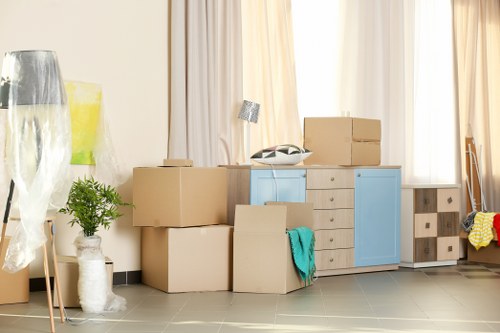 At Man With Van Hillingdon, sustainability is built into everyday moving and clearance work. We aim to make each job lighter on the environment by planning routes carefully, separating reusable items from waste, and choosing responsible disposal channels whenever possible. Our Hillingdon man with van service is designed to support residents and businesses who want a cleaner, greener move without adding unnecessary landfill pressure.
Our recycling approach is guided by a practical target: to recycle or divert from landfill at least 95% of suitable materials from clearance and transport jobs, where item condition and local facilities allow. That includes furniture, cardboard, metal, electrical items, textiles, and other recoverable materials. By focusing on reuse first, recycling second, and disposal last, our man and van Hillingdon operations help reduce waste at every stage.
In the borough, waste separation matters. Local households are already familiar with separating dry mixed recycling, food waste, garden waste, and general refuse, and that same awareness supports smarter clearances too. When we handle a load, we look for items that can follow the same path as borough recycling streams: paper and cardboard can be kept clean and compact, metals are sorted out, and reusable household goods are separated before anything else is sent onward. 
The area also benefits from access to local transfer stations and waste facilities, which help ensure different materials are processed appropriately. We use authorised transfer stations in and around West London so that loads can be assessed, sorted, and sent to the correct destination. This reduces the chance of recyclable material being mixed into residual waste, and it keeps our Man With Van Hillingdon service aligned with responsible disposal standards.
By working with recognised transfer and recycling sites, the Hillingdon man with van team can handle bulky items more efficiently. Fridges, shelving, wardrobes, office furniture, and mixed household items may all need different treatment, so sorting at the point of collection and again at the station is essential. This is especially useful in areas where flats, maisonettes, and family homes generate varied waste streams and where boroughs encourage clear separation to improve recycling performance.
One of the most important parts of our sustainability strategy is reuse through charity partnerships. Items that are still in good condition are set aside for donation whenever possible. This can include sofas, tables, chairs, kitchenware, books, toys, and other usable possessions.  Our man and van Hillingdon work with local charitable organisations helps extend the life of items that would otherwise be discarded, supporting community groups, families, and low-income households while also reducing environmental impact.
Charity partnerships also make moving lighter and more efficient. Instead of sending a fully usable item to waste handling, we can redirect it to a second home where it will continue to serve a purpose. This reuse-first approach is a key part of sustainable removals and clearance services, and it reflects the broader priorities of the borough, where reducing waste and increasing recovery rates are important goals for both residents and businesses.
Our Man With Van Hillingdon fleet is also chosen with lower emissions in mind. We use low-carbon vans that are more fuel-efficient than older vehicles, and we plan routes to reduce unnecessary mileage and idling. Smaller, modern vans can be especially effective for local removals because they offer a practical balance between carrying capacity and reduced fuel use. That means fewer trips, lower carbon output, and a more efficient service across Hillingdon and nearby West London areas.
In practical terms, low-carbon transport supports all kinds of jobs, from single-item collections to full property clearances. It helps us move goods responsibly between homes, storage facilities, charities, and authorised recycling points. For customers who want a Hillingdon man with van service that reflects environmental priorities, the choice of vehicle matters just as much as the way waste is sorted. Cleaner vans and better routing are straightforward ways to lower the footprint of each move.
 We also pay attention to specialist recycling activity that is particularly relevant in the local area. That includes handling cardboard from office moves, separating metal bed frames and fixtures, and ensuring WEEE items such as printers, monitors, and small appliances are passed to the right recycling stream. In boroughs that place emphasis on separated waste collections, these kinds of careful sorting habits help keep recyclable materials out of residual bins and improve recovery rates.
For garden clearances and domestic decluttering, green waste can often be handled separately from mixed rubbish. Soil, branches, hedge cuttings, and other organic materials may be directed to appropriate facilities rather than lumped in with general waste. This is another example of how Man With Van Hillingdon services can support a more sustainable local waste system, especially where households are already used to separating food and garden waste at the source.
We also recognise that sustainability is about more than recycling alone. It is about reducing waste in the first place, choosing repair or donation where feasible, and making collections as efficient as possible. By combining reusable-item sorting, access to transfer stations, charity partnerships, and low-carbon vans, our man and van Hillingdon service provides a cleaner alternative to waste-heavy clearance methods. 
From start to finish, our recycling and sustainability approach is designed to fit the needs of a busy London borough. Whether we are moving furniture, clearing a flat, or transporting mixed items to the proper facility, we work to keep useful materials in circulation and minimise what goes to landfill. That is why Man With Van Hillingdon continues to focus on practical environmental responsibility, local recycling pathways, and smarter transport choices for every job.