Man With Van in Hillingdon

Man With Van Hillingdon offers a practical removals service for homes, flats, single items and light business loads across the borough. The service is built around flexible transport and careful handling, so customers can arrange help for smaller moves without committing to a full lorry-sized operation. It suits jobs where access, timing and the amount of luggage or furniture matter just as much as the journey itself.
We support a range of moving needs, from carrying furniture that is awkward to move alone to managing a straightforward house or office transfer. The emphasis is on safe loading, sensible planning and clear communication, with the vehicle and crew matched to the task rather than the other way around. If you need a dependable moving option in the area, this is a simple place to start. Ask for a quotation when you are ready.
Typical jobs include household moves, furniture pick-up, office items and collections that need lifting, securing and unloading with care. Because every move is different, the most useful quotation starts with the practical details: what needs moving, where it is going and whether there are stairs, tight entrances or parking limits. A short message with those points is often enough to begin. For a quick look at the main options, see our removal services page.
House moves and domestic removals
Domestic work is often the core of a man and van service, especially where the load is too much for a car but does not require a very large vehicle. That can include a studio flat, a room-to-room move, a few bulky household items or a more complete house relocation with boxes and furniture. The service can be scaled to suit the job, which helps keep the move more manageable from start to finish.
Careful domestic removals depend on handling, packing and the order in which items are loaded. Sofas, beds, white goods and fragile boxes each need a different approach, and a good plan makes the process more efficient. If you are comparing options, it can help to review the detail on home moves, house removals and house movers so you can judge which type of support matches your household move.
For many customers, the decision is about what level of assistance is sensible rather than simply how many van trips might be needed. Some moves only require transport, while others benefit from help carrying items from the property to the vehicle and into the new address. The key is to match the service to the layout, the load and the time available. When you are ready, request a quotation with the main items listed clearly.
Furniture and item collections

Some jobs are not full removals at all, but one-off collections of a sofa, wardrobe, bed frame, desk or other bulky item. A man with a van service is often a practical choice for these smaller but still awkward tasks because it combines transport with loading help. That makes it useful for online purchases, second-hand finds, domestic clear-outs and deliveries that need a careful hand rather than a courier-style drop-off.
Furniture handling is easier when the item is described accurately. Dimensions, weight, whether it dismantles and how it will be moved out of the property all help to shape the job. If you need occasional pick-ups as part of a wider move or just a single collection, the most relevant pages are furniture pick-up, man and van removals and man with van. Each can help set expectations about the kind of transport support available.
Good preparation saves time on collection work. If possible, have the item ready to move, clear a route to the exit and note any difficulties such as narrow staircases, basement access or shared entrances. That information does not need to be long, but it does make the quotation more accurate and helps the collection run more smoothly. A brief enquiry with the item list is enough to begin.
Office relocations and commercial moves
Commercial work needs a different rhythm from a domestic move, because desks, chairs, files, stock and equipment all need to be handled in a way that keeps disruption under control. A smaller business move may be well suited to a man with van arrangement, especially where the load is manageable but still requires organised loading and careful transport. That can include office furniture, archive boxes, shop fixtures or supplies.
Useful planning for business moves usually comes down to sequence, access and timing. It helps to know which items are going first, whether anything is sensitive or heavy, and how the old and new premises can be accessed. If you need related support, the pages on commercial moves, office relocation services and office removals explain the scope of business transport and relocation work that may suit a smaller operation.
Where a move includes computer equipment, paperwork or specialist furniture, the aim is not just to carry items from A to B but to do so in an orderly way. Packing choices, labelling and load position all make a difference, particularly if multiple stops are involved or the job has to fit around trading hours. If your office move needs a practical plan, ask for a quotation and share the basics of the premises and inventory.
Packing, loading and move planning
Packing support can be valuable when customers want help beyond transport alone. Boxes, protective wrapping and sensible grouping of items reduce the chance of shifting loads and make unloading simpler. Even a small move benefits from an organised approach, especially if there are breakables, mixed household goods or items that need to be separated by room. This is one reason many people choose a flexible removals service rather than trying to improvise on the day.
For those who want more help with preparation, the dedicated page on packing and unpacking services outlines a support option that can sit alongside transport. It may be useful where time is limited or where the move includes a lot of smaller belongings that need grouping sensibly. Clear packing also helps when the route involves stairs, loading bays or a long carry from the property to the van.
One short checklist can make the enquiry clearer: what needs moving, where it is collected from, where it is going and whether any items need dismantling. That is usually enough to estimate the type of vehicle and support required. There is no need to send a long explanation at the outset, just the practical facts that affect the job. If you are comparing options, a concise quotation request is the best next step.
Vehicle options and transport choices

The phrase man with van covers several practical transport arrangements, from light local carrying to more structured removal support with a larger vehicle. In some cases, the most suitable choice may be a moving van or removal van where the load is mainly boxes and household items; in others, a smaller van is enough. The point is to choose transport that matches the volume, the access and the number of stops.
Those comparing vehicle-based services may find it helpful to look at moving van, removal van and removal truck hire. While each term suggests a slightly different scale of transport, the practical decision usually depends on the size of the load and the ease of parking or loading. Clear information at the enquiry stage helps determine which approach is sensible.
Where there is uncertainty, it is often better to describe the items than to guess at the vehicle type. A wardrobe, mattress, dining table, several boxes and a washing machine tell a clearer story than a general estimate. This is especially useful when access is tight or when the route includes multiple floors. Accurate details lead to a more realistic quotation and help avoid unnecessary delay when the move starts.
Pricing factors and quotation details
Quotes for man and van work are usually shaped by practical factors rather than by a fixed formula. Distance, load size, collection and delivery points, stairs, waiting time and the need for extra handling all influence the scope of the job. When a move has several parts, such as furniture collection plus delivery to a second address, it is important to say so from the outset so the work can be planned properly.
Some customers want a simple transport run, while others need help dismantling furniture, moving items from upper floors or carrying heavier goods through shared spaces. If you are reviewing the wider service range, the pages on removals, movers and removal company can help you understand the sort of transport and support that may be available through a removals provider. The aim is always to make the quotation reflect the real job.
If you are ready to enquire, keep the message short but specific. Mention the collection and delivery areas, a general list of items and any access concerns. That is usually enough to start the conversation. For a straightforward next step, request a quotation and include the most important practical details.
About Hillingdon
Hillingdon is the westernmost borough of Greater London and the largest by area, stretching from the dense urban streets around Uxbridge to quieter edges near the Colne Valley. The name is also used for the historic village and parish, whose old core lies close to St John the Baptist Church. The borough combines long-established suburban districts, major road links and open landscapes, so its character is a mix of town-centre activity and generous green space. Uxbridge forms a principal commercial centre, while places such as Hayes, Ruislip, Northwood and West Drayton each contribute a different local character. The Grand Union Canal runs through parts of the borough, adding waterways and towpath routes to the landscape, and the Colne Valley Regional Park provides a broad sweep of countryside on the western side. Much of Hillingdon’s built environment reflects twentieth-century suburban growth, yet older pockets remain visible in village centres, churches and conservation areas. Local heritage includes the Battle of Britain Bunker at Uxbridge, which tells part of the story of the Second World War, and the borough also contains important transport infrastructure, including Heathrow Airport at its eastern edge. Parks, commons and recreation grounds are scattered across the area, giving residents access to formal and informal open spaces. The result is a place where historic settlement, modern transport corridors and open land sit side by side, making the borough varied in both form and atmosphere.
Clear access, lifting and careful handling
Practical removals work often succeeds or fails on the details that are easy to overlook. Narrow hallways, communal entrances, basements, top-floor flats and difficult parking can all change how a job is carried out. A man with van service is useful because it can adapt to these circumstances, allowing the load to be moved with attention to access rather than forcing a rigid process. That flexibility is especially valuable where the items are bulky or the route is awkward.
For customers who need related support, the pages on man and van, man with a van and man with van removal help show the different ways this kind of transport can be described. The wording may vary, but the underlying task is similar: move items safely, keep the job organised and make the transport fit the property and the load. That is what matters when the move has to be done cleanly and sensibly.
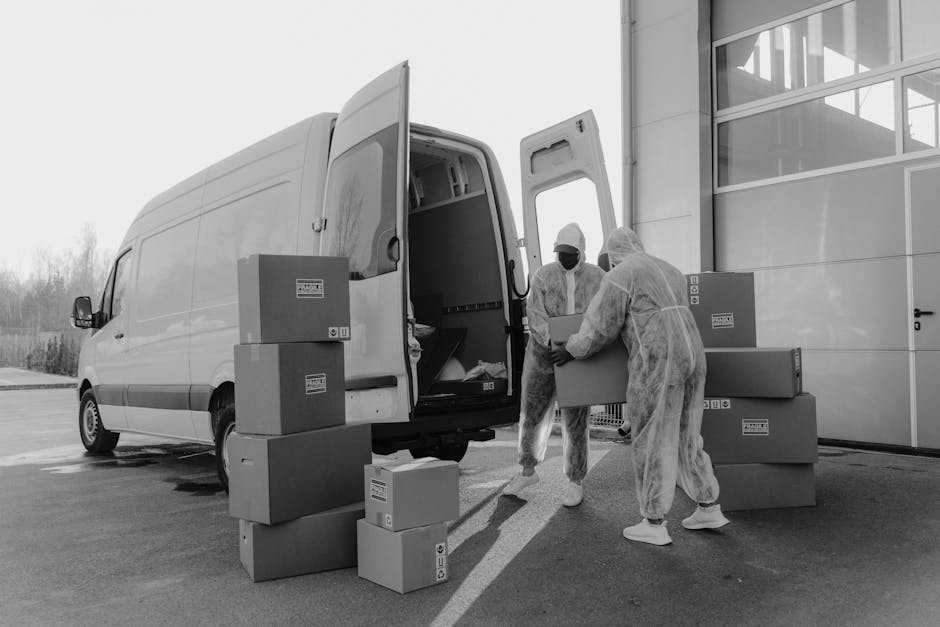
Good handling is not just about strength; it is also about using the right order, protective materials and lifting technique. Furniture should be balanced in the vehicle, loose items should be kept together and breakables should be isolated from heavier goods. Safe loading and unloading reduce the chance of damage and keep the move efficient. If you need support for an awkward move, a clear enquiry is the best place to begin.
Short notice jobs, repeat transport and flexibility

Not every booking is a full household relocation. Some customers need a repeat transport arrangement for stock, regular furniture movements or a sequence of smaller jobs that do not fit neatly into a single move. A flexible removals setup can suit those needs because it is easier to adjust the vehicle and the amount of help to each individual task. That can be valuable when the workload changes from one week to the next.
For recurring or varied work, it may help to think in terms of categories: household items, office goods, single collections and mixed loads. The more clearly the job is described, the easier it is to judge the right level of support. Relevant pages include removals near me, removals van and moving truck, which can help customers compare transport terms before they make contact.
When jobs are time-sensitive, the most useful information is still the most basic: how much needs moving, where it is coming from and where it is going. If there are waiting periods, several addresses or items that need extra care, it is worth saying so early. That keeps the process straightforward and supports a more accurate quotation. Share the essentials and ask for a quotation when you are ready.
Service extras, policies and what to expect
Some customers want to know how the move fits alongside other practical arrangements such as payments, safety, complaints and sustainability. These matters do not change the physical work, but they can help people understand the wider service environment. Where relevant, a removals provider may make supporting information available about payment handling, safety or internal procedures, giving customers more context before they book.
Useful supporting pages include pricing and quotes, insurance and safety and recycling and sustainability. They can help frame the service in practical terms without turning the conversation into unnecessary detail. The most important point remains the move itself: transport, access, handling and the right level of support for the items involved.
If you are arranging a move, collection or office transport in Hillingdon, the simplest approach is often the best. Describe the items, note any access issues and choose the service that fits the load. That is enough to begin a useful conversation. Get in touch for a quotation when you have the details ready.
Further removals information

When customers want to compare broader removals options, it can be helpful to look at the structure of the available pages rather than relying on a single label. Some enquiries are best treated as house removals, others as furniture pick-up, and some as office or commercial transport. The right service depends on the goods being moved, the access at each end and whether additional handling is needed. That is why a careful description matters so much at the outset.
Additional pages that may help with comparison include removals, removal companies and about us. These can provide context for customers who are deciding between different forms of removal support and want to understand the practical scope of the work before they enquire. The useful choice is the one that fits the move, not just the title of the page.
The best next step is simple: list the items, confirm the locations and send a quotation request that matches the job in hand. A clear brief helps the move stay organised, whether it is a single item or a fuller household transfer. If you are ready to proceed, request a quotation today.