Removals Hayes UB3 door to door parking solutions
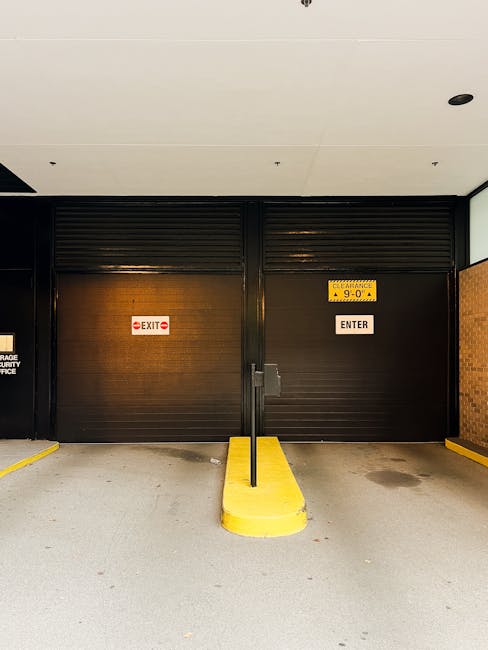
If you are planning a move in Hayes, UB3, the small details can make a surprisingly big difference. One of the biggest is parking. Removals Hayes UB3 door to door parking solutions is really about making sure the moving vehicle can get as close as possible to your front door, so loading and unloading is quicker, safer, and far less stressful. Sounds simple, but anyone who has tried to move from a busy road, a tight cul-de-sac, or a flat with awkward access knows it rarely is.
This guide breaks down how door-to-door parking works, why it matters, and what practical steps help you avoid delays on moving day. We will also cover the mistakes people make, the checks worth doing in advance, and how to judge whether a mover is actually prepared for the realities of Hayes and the wider Hillingdon area. Let's face it, a smooth move often starts long before the first box is lifted.
- Why this matters in Hayes UB3
- How door to door parking solutions work
- Key benefits and practical advantages
- Who needs this and when it makes sense
- Step-by-step guidance
- Expert tips for better results
- Common mistakes to avoid
- Tools, resources and recommendations
- Law, compliance and best practice
- Options and comparison table
- Case study or real-world example
- Practical checklist
- Frequently asked questions
Why Removals Hayes UB3 door to door parking solutions Matters
Parking is not just a convenience on moving day. It can shape the whole rhythm of the job. If a van has to park far from the property, every box, sofa cushion, mirror, or wardrobe part has to be carried further. That means more time, more physical effort, and more opportunity for things to go wrong. In Hayes UB3, where streets can be busier around local shops, station routes, estates, and narrower residential roads, the difference between a good parking plan and a poor one can be the difference between a calm move and a very long afternoon.
Door to door access matters most when the property is in a location with limited stopping space, shared access, controlled parking, or narrow frontages. Even if the actual move is straightforward, parking can become the bottleneck. You might have a fully packed van, but if it cannot stop near the entrance, the team spends energy walking back and forth instead of moving items efficiently.
There is also a safety angle. Lifting heavy items over longer distances increases fatigue. Fatigue increases the chance of slips, bumps, scratches, and damaged items. And when people are rushing, small mistakes multiply. A plant pot gets knocked, a box is put down too quickly, the hallway gets scuffed. Nothing dramatic, but enough to make the day feel messier than it needs to be.
In our experience, the best moves are the ones where the parking plan is almost invisible because it has been thought through early. That is the real value here: not glamour, not jargon, just sensible planning that keeps the move moving.
How Removals Hayes UB3 door to door parking solutions Works
At its simplest, the process is about matching the moving vehicle, the street layout, and the property access so the van can park as close as practical to the front door, entrance, or loading point. But there is more to it than just "find a space outside." A proper approach looks at timing, traffic flow, local restrictions, and the shape of the property itself.
Here is how it usually works in practice:
- Property access is reviewed. The mover or customer checks whether there is safe stopping space, a driveway, a private forecourt, or on-street parking nearby.
- Parking restrictions are considered. Time limits, residents' bays, yellow lines, and loading-only areas can all change what is possible.
- The vehicle size is matched to the site. A larger removal van may need more room to stop or manoeuvre than a smaller moving van.
- Arrival timing is planned. Moving at the right time of day can reduce conflict with school runs, commuter traffic, or local congestion.
- Loading and unloading are organised. Items are staged so the team is not wasting time in doorways, stairwells, or pavement space.
- Contingencies are kept in mind. If the ideal spot is unavailable, a backup plan is ready.
The most useful parking solutions are the ones that blend logistics with common sense. Sometimes that means using a smaller vehicle for a tighter road. Sometimes it means staggering load-in so the heaviest items go first. And sometimes it simply means being honest about what the road can support. No point pretending a double-parked lorry is going to be a clever idea. It never is.
If you are comparing services, it helps to look at the broader moving support they offer too. For example, a provider that handles man and van moves, removal services, and home moves is more likely to understand the access issues that come with local streets and mixed property types.
Key Benefits and Practical Advantages
A good parking plan is not just a nice extra. It can change the whole experience of the move. Here are the advantages people usually notice first.
- Faster loading and unloading. Shorter carry distances mean less time spent walking up and down the pavement.
- Lower risk of damage. Fewer handovers and shorter routes reduce the chance of knocks, scrapes, and drops.
- Less physical strain. This matters more than people expect, especially on long moves or upstairs flats.
- Better time control. When the van is close, the job can stay closer to schedule.
- Less stress for neighbours and passers-by. A tidy, well-managed move looks more professional and causes fewer interruptions.
- Improved use of the crew. The team can focus on safe lifting and careful packing rather than wasting energy on long carries.
There is also a financial angle, even if nobody likes to say it out loud. Time saved is money saved, particularly if your move is charged by the hour or shaped by labour time. A parking issue that adds twenty or thirty minutes can feel minor in the moment, but moving day has a way of amplifying little delays.
One practical bonus is the knock-on effect on mood. When the van is where it should be, people settle. The tone changes. The move starts to feel organised instead of chaotic. That sounds soft, maybe, but on a damp Friday morning in West London, it can matter a lot.
Who This Is For and When It Makes Sense
Door to door parking planning is useful for far more people than first-time movers tend to realise. If your property is easy to access, you may still benefit. If it is awkward, you probably need it.
This is especially relevant if you are:
- moving from a terraced house with limited street parking
- leaving or entering a flat with shared access
- moving near busy roads or busier local routes
- using a larger van or more than one vehicle
- moving furniture with awkward dimensions, such as wardrobes, bed frames, or sofas
- working to a same-day or time-sensitive schedule
- trying to reduce disruption for neighbours or business premises
It also makes sense for landlords, letting agents, and small businesses that need short turnaround moves. Office and commercial moves often have narrower windows, building access rules, and more pressure to keep disruption low. In those situations, parking is not a side issue. It is part of the move plan itself. If that sounds familiar, it may be worth looking at broader commercial moves or office relocation services alongside the parking plan.
Truth be told, if you have ever watched a moving team carrying a sofa down a road because the nearest space was blocked, you already know why this matters. The job is still possible, of course. It just becomes harder than it needs to be.
Step-by-Step Guidance
If you want door to door parking to work properly, do not leave it until the morning of the move. Here is a practical way to handle it.
1. Check the access at both addresses
Start with the obvious. Is there a driveway? A front garden wall? A communal car park? A loading bay? Even a few metres of difference can change the whole plan. Walk the route from the road to the front door and look for pinch points: low branches, tight corners, steps, narrow gates, or a slope that makes wheeled items awkward.
2. Look at the street at the time you will move
A quiet road at 8am may be full by 10am. A street near a school can be perfectly fine at one hour and a headache the next. If you can, check the location at a similar time of day to your move. Small detail, big value.
3. Decide the right vehicle size
The biggest van is not always the best van. In some Hayes streets, a more compact moving vehicle can park closer, reduce manoeuvring risk, and still carry what you need in fewer trips. For others, a larger removal van is the smarter option because it reduces total runs. The right call depends on the property, volume, and parking reality.
4. Plan loading order carefully
Heavy, awkward, or fragile items should be loaded in a way that supports safe unloading at the destination. If a dining table needs to come out first, do not bury it behind half the contents of a loft. A well-packed vehicle works with the parking plan, not against it. If you need help with the packing side too, packing and unpacking services can take a lot of pressure off.
5. Build in a fallback
Parking can change in real life. A neighbour may be in the bay. A delivery van may be blocking access. Roadworks happen. That is just life. A fallback might be a secondary stopping point, a later arrival window, or a second person guiding the driver to the best available space.
6. Keep communication simple
Good communication does not need a long speech. It needs clarity. Tell the team where the best stopping point is, where the keys are, whether there are any access codes, and whether the property has any awkward rules. The smoother the instructions, the less chance of faff on the day.
Expert Tips for Better Results
There are a few habits that consistently improve local moves. Not flashy stuff. Just the kind of practical thinking experienced movers rely on.
- Use the nearest practical space, not just the nearest legal one. Sometimes a legal spot a little further away is still a better choice if it gives better manoeuvring room.
- Keep a clear front path. Bins, bikes, plant pots, and loose clutter create tiny obstacles that become very annoying when everyone is carrying something heavy.
- Label items that need fast access. Essentials boxes should be easy to reach when the van door opens.
- Protect kerbs and thresholds. Even careful teams can bump edges during busy loading. A bit of planning helps reduce scuffs.
- Ask about insurance and handling practices. You do not need a lecture, just reassurance that the mover takes care with access, lifting, and vehicle positioning. It helps to read a provider's insurance and safety information before booking.
A small but valuable tip: if you are moving from a flat, let the team know in advance how many flights of stairs are involved, whether the stairs are narrow, and whether the lift is usable. That can affect where the vehicle should stop and how the loading sequence should be arranged. These little details save time later. Always.
Another one: take photos of the parking area the day before, especially if the street is tricky. It is a bit old-fashioned, maybe, but it gives everyone the same picture of the space. No guessing, no crossed wires.
Common Mistakes to Avoid
Most parking problems are preventable. The trouble is they are easy to underestimate. Here are the common slip-ups that cause the most grief.
- Assuming there will be space outside. Streets fill quickly, especially in busy parts of Hayes.
- Ignoring time-of-day changes. A road that works in the morning may not work by late afternoon.
- Forgetting about local restrictions. Resident bays, yellow lines, and loading rules can complicate things.
- Leaving the plan until the last minute. This is the big one. It usually creates avoidable stress.
- Using the wrong vehicle size. Too large and you struggle to park; too small and you add more trips than needed.
- Not preparing the property entrance. Boxes, shoes, prams, and clutter near the door slow everything down.
- Failing to communicate access issues. If the mover does not know about the awkward gate or the steep drive, they cannot plan around it.
People also sometimes overcomplicate the whole thing. Not every move needs a massive logistics operation. But every move does need a realistic plan. That is the balance. Simple, but not sloppy.
Tools, Resources and Recommendations
You do not need specialist gear for every move, but a few tools and resources can make parking and access far easier.
| Tool or resource | Why it helps | Best used for |
|---|---|---|
| Measuring tape | Checks doorway widths, stair landings, and vehicle clearance points | Tight properties and larger furniture |
| Phone camera | Lets you share clear photos of access and parking spaces | Pre-move planning and remote quoting |
| Labels and markers | Speeds up unloading and reduces confusion | Busy moving days |
| Door wedge or prop | Keeps entrances open safely while carrying items | Frequent loading and unloading |
| Protective coverings | Helps reduce scuffs at thresholds and hallways | Properties with delicate floors or narrow entrances |
If you are still comparing the type of service you need, it can help to look at the wider range of options offered by a mover, from man with van support to more complete house removals. That way, you are not forcing a full-house job into a service that is really only suited to a small local move.
For quote planning, a transparent pricing page is also useful. A provider that explains its process clearly, such as pricing and quotes, is usually easier to deal with because you know what is being assessed. That matters more than people think. Nobody likes a surprise after the van has already pulled up.
Law, Compliance, Standards, or Best Practice
Parking and loading for removals in Hayes should always be handled with local rules and common-sense compliance in mind. The exact restrictions depend on the street, property type, time of day, and any council-managed controls in place. Because those details can change, it is best not to assume that a quick stop is automatically fine just because the road looks quiet.
Good practice usually means:
- checking whether parking is restricted at the planned time
- avoiding obstruction of driveways, crossings, and emergency access
- keeping pavements as clear as reasonably possible for pedestrians
- making sure the moving vehicle is parked safely and legally
- planning the move so lifting and carrying are done with care
From an operational point of view, a reputable mover should be able to explain how they approach access, handling, and safety. Their public policies can help here. It is sensible to review pages such as health and safety policy and terms and conditions so you know how they frame responsibility, care, and service expectations. If anything feels unclear, ask. Better to ask before the boxes are on the pavement than after.
Insurance is another plain-English checkpoint. You are not looking for complicated promises. You are looking for reassurance that the business takes damage prevention seriously and has sensible cover in place. That is just decent practice, to be fair.
Options, Methods, or Comparison Table
Different parking approaches suit different homes and move sizes. Here is a simple comparison to help you think it through.
| Method | Best for | Pros | Watch-outs |
|---|---|---|---|
| Direct front-door parking | Houses with a driveway or clear frontage | Fastest loading, shortest carry distance | May not be available on busy streets |
| Near-door on-street parking | Most standard residential moves | Good balance of convenience and flexibility | Dependent on public parking availability |
| Managed loading bay or marked stopping point | Flats, commercial sites, controlled access areas | Structured and predictable when arranged properly | May require more planning and timing discipline |
| Smaller vehicle with closer access | Narrow roads or tight approaches | Better manoeuvrability, easier stopping | May require more than one trip if volume is high |
| Split loading plan | Complex moves with difficult access | Flexible if parking is limited | Needs careful organisation to avoid confusion |
There is no one perfect method. The best choice is the one that suits the property and the street. If your street is cramped, a slightly smaller vehicle may be worth more than a huge van with nowhere sensible to stop. If you have clear access, use it and keep the day efficient. Simple really.
Case Study or Real-World Example
Here is a realistic example based on the sort of move many people in Hayes UB3 face.
A family moving from a two-bedroom terraced house near a busy local road had a straightforward inventory but limited parking outside the property. On paper, the move looked easy. In practice, the pavement was narrow, a neighbour's van was often parked nearby, and the road carried regular local traffic through the morning.
Instead of hoping for the best, the team planned a short arrival window, asked the household to clear the front path, and used a vehicle size that could stop safely without blocking the junction. Fragile items were packed separately so they could be loaded first. The heaviest furniture came out while the access was clear. A second parking option was kept in mind in case the first space disappeared.
What changed the day most was not brute force. It was the parking plan. The load-out happened with fewer interruptions, the hallway stayed clearer, and the furniture was moved with less carrying distance. The family later said the thing they had worried about most - the van outside the house - ended up being the least dramatic part. That is exactly how it should be, really.
It was not a perfect, cinematic moving day. A few boxes were heavier than expected, and someone misplaced a kettle for ten minutes. Standard stuff. But the access plan held, and that is what mattered.
Practical Checklist
Use this checklist before moving day. It is a simple way to reduce stress and catch the awkward details early.
- Confirm the exact moving address and access route
- Check whether parking is available directly outside or nearby
- Look for restrictions, resident bays, or time limits
- Measure narrow doorways, gates, and stair turns if needed
- Take photos of the frontage and street for reference
- Clear the entrance, path, and hallway of clutter
- Tell the mover about any slopes, steps, lifts, or codes
- Agree the approximate arrival time and fallback plan
- Prepare essentials boxes for quick access
- Review insurance, safety, and service terms before the day
Expert summary: If you want a smoother move in Hayes UB3, do not treat parking as an afterthought. The closer the vehicle can get to the door, the faster the whole day tends to go, and the calmer everyone feels. It really is one of those quiet wins that pays off in more ways than people expect.
Get a free quote today and see how much you can save.
Conclusion
Removals Hayes UB3 door to door parking solutions are about practical planning, not complicated theory. When you get parking right, everything else gets easier: loading, lifting, timing, and even the mood on the day. That is especially true in a local area where streets, property layouts, and parking rules can vary a lot from one address to the next.
The best approach is simple. Check access early, plan for real-world street conditions, keep the communication clear, and choose a vehicle and moving method that suit the property rather than forcing the property to suit the van. Small effort upfront, big relief later. And if you have ever moved in a drizzle while balancing a box and dodging a parked car, you already know why that matters.
Do the planning now, and moving day gets to be just a move, not a drama.
Frequently Asked Questions
What does door to door parking mean for removals in Hayes UB3?
It means planning the move so the removal vehicle can stop as close as possible to your front door, entrance, or loading point. The goal is to minimise carrying distance and make the move safer and faster.
Why is parking so important on moving day?
Parking affects how far items must be carried, how quickly the team can load or unload, and how much physical strain is involved. A poor parking position can add time and increase the chance of damage.
Can a removals van always park outside the property?
No, not always. In Hayes UB3, parking depends on street width, restrictions, time of day, traffic, and whether other vehicles are already using the space. A good mover will plan for alternatives.
How do I prepare my street for a removals vehicle?
Clear the front path, move bins or bikes if you can, and let neighbours know if access may be tight. If the street is busy, it helps to plan the arrival time carefully and keep the route to the door unobstructed.
Do I need a smaller van for narrow roads?
Sometimes, yes. A smaller moving van can be the better option if the road is tight or parking is limited. The best vehicle is the one that can stop safely and still handle the job efficiently.
What if someone else parks in the space I need?
That happens. It is one reason a fallback plan matters. You may need a secondary stopping point, a different vehicle position, or a slight timing adjustment. Staying flexible helps a lot.
Is this relevant for flats as well as houses?
Definitely. Flats often have even more access considerations, such as shared entrances, stairwells, loading points, and communal parking. Planning the vehicle position becomes even more important there.
Should I ask the removals company about insurance?
Yes. It is sensible to check that the company has appropriate insurance and follows safe handling practices. That does not remove all risk, but it gives you a clearer picture of how professionally they work.
How far in advance should I think about parking?
Ideally, at the same time as you book the move. Parking should be part of the booking conversation, not something left until the morning. The earlier you think about it, the fewer surprises later.
Does a good parking plan really save money?
It can. Less walking, fewer delays, and smoother loading often mean less time spent on the job. Even if the saving is not dramatic, it usually reduces stress and makes the move more efficient.
What should I tell the removals team before they arrive?
Share the full address, any parking restrictions, access codes, stair details, and anything unusual about the frontage or route. A few clear details can prevent a lot of confusion on the day.
Can parking problems affect fragile items?
Yes. When the team has to carry items further, there are more chances for bumping, turning, or setting items down in awkward places. That is why close, safe access is especially helpful for fragile belongings.
Where can I learn more about local moving services?
You can look at broader service pages such as removals, man and van removals, and removals near me to compare what suits your move best.
What is the main takeaway for a move in Hayes UB3?
Do not leave parking to chance. A simple, realistic access plan is one of the easiest ways to make your move calmer, quicker, and less tiring. That is the whole game, really.
If you plan carefully now, moving day has a much better chance of feeling like a clean start rather than a scramble. And that is worth a lot.